This week's best things #89
Software design's joyless sameness, screens hollowing out cities, Liberating Structures' new pathfinder, bloated homepages, Meta/YouTube's addiction liability verdict, Spotify's prompted playlists, and the British public's finest storm name suggestions.

Shorter edition alert, I managed to acquire quite an unpleasant cold this week so I haven't really done much more than the bare minimum. Sadly this also meant I couldn't make it to Kulturkraft in Copenhagen.
Haven't completed the hidden labour survey yet? Take 10 minutes, you'll feel good about it I promise.
Ok here are some good things.
Disability, Museum & AI
Spotted via Rafie Cecilia.
"AI technologies are increasingly being pitched to museums as accessibility solutions to improve experiences for people with disabilities. However, many of these tools are developed for disabled people, rather than by and with them.
This pilot project challenges that approach by placing lived experience at the centre of research and design, recognising disabled people as leaders, co-creators, and drivers of innovation.
We’re currently collecting responses for our pilot survey on hopes, expectations, and concerns around the development and use of AI in museums."
"Software designers must abandon their roles as the custodians of libraries, logic and grids"
I rant about this every few years, but it's really very boring that everything on the internet looks more and more similar. This article makes that argument in a much more compelling, credible way.
"Good design has now become synonymous with invisible design, but by removing every point of difference, we have removed any notion of character. By removing every seam, we have also made this world slippery, leaving us with very little to intellectually or emotionally grab onto.
As a result, the apps I use to hire plumbers look and feel remarkably similar to those I use to watch skiers do backflips. Every brand feels the same, every function feels the same, every interaction feels optimised, streamlined and joyless. By any measure, these pieces of software are miracles of engineering and triumphs of logic, yet they feel profoundly underwhelming to live with."
 Nick Foster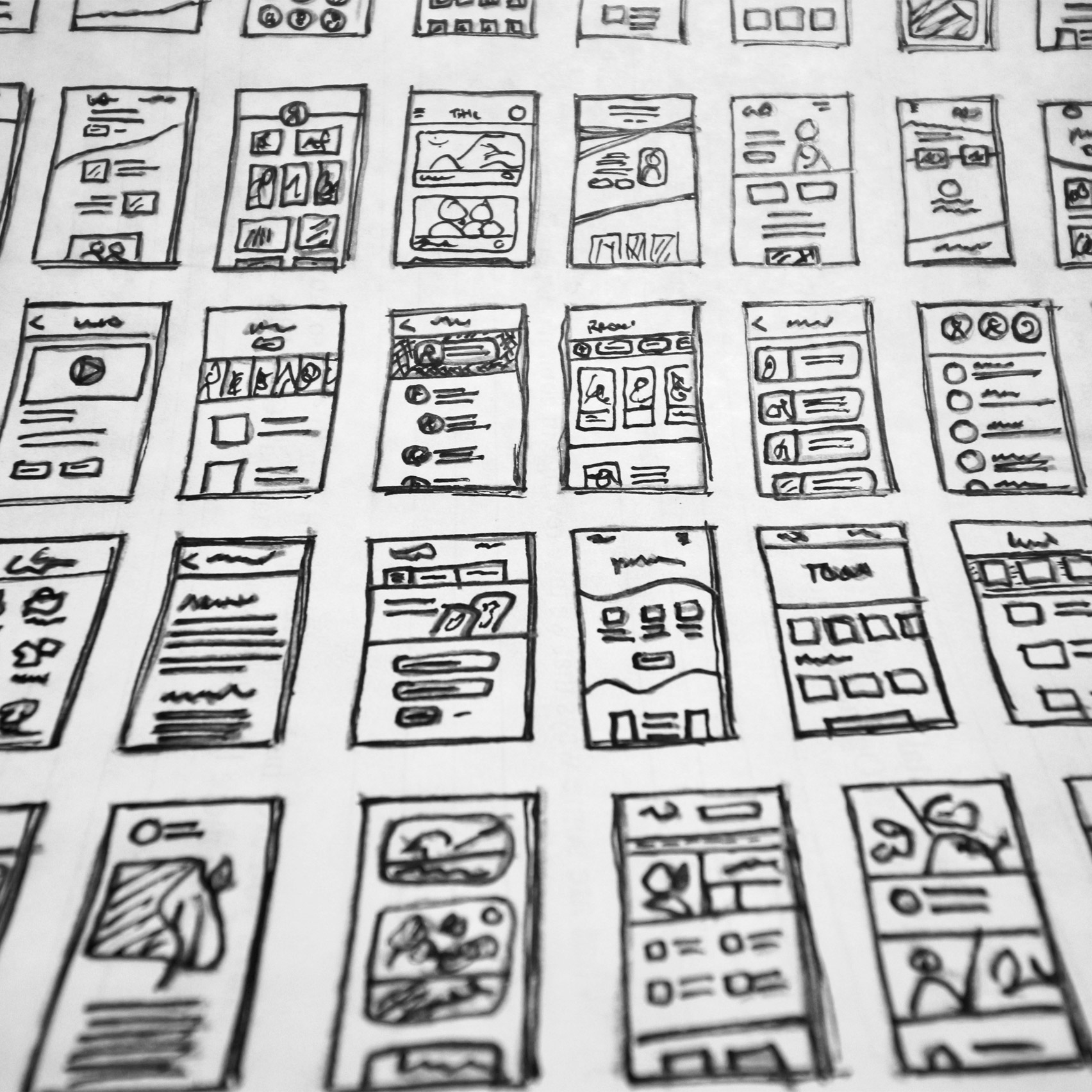
Design in the Age of AI
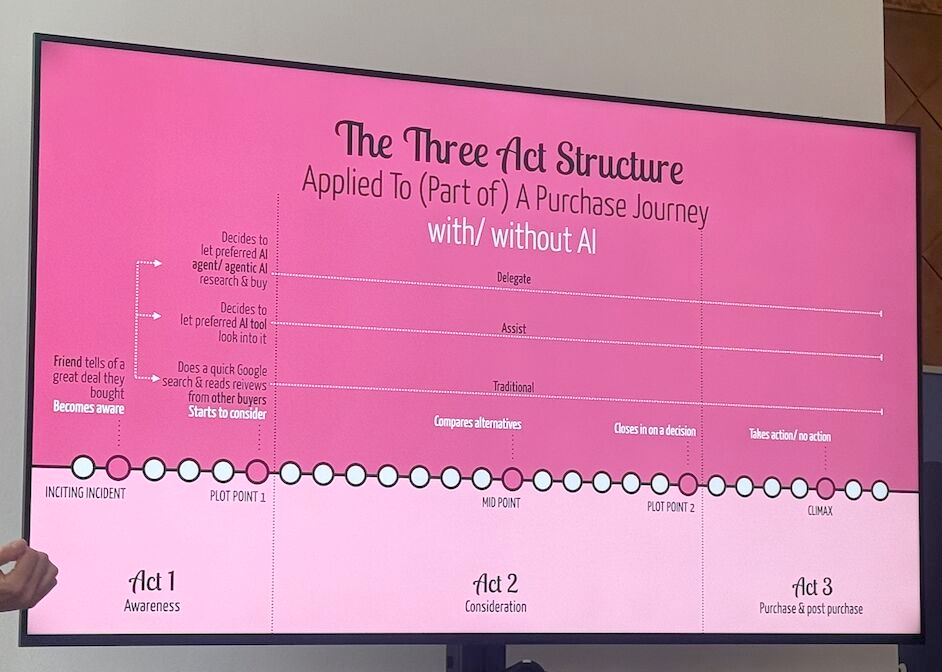
There were a few interesting things in these photos from Anna Dahlström's recent workshop, not least the slide (below) that demonstrates the different ways we're going to start having to think about all the ways in which users might engage with service (aka everything just got more complicated).
 Bryony L.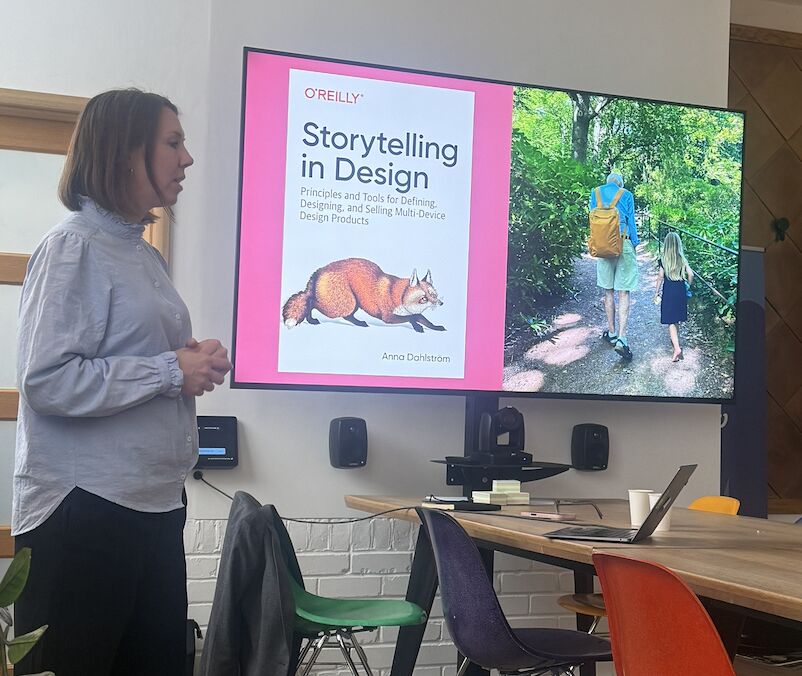
The Screens that Killed the City
A good exploration of how technological advancement has changed how we interact with the world, and what that means for our physical environments.
"It’s not just that people stay home more, it’s that home has become headquarters for a parallel life. Ghost kitchens, dark stores and invisible warehouses now orbit our urban habitats. Cities are still there, but increasingly so as logistics systems for people who no longer go outside very much. “This alarms me!” he exclaims, “because it further impoverishes the physical world. It makes it even more likely you’ll stay at home. This flywheel effect is just starting to really turn up.”
He isn’t moralising here, he’s describing an ecological collapse of attention … and it’s the one we built ourselves."
 Iain Montgomery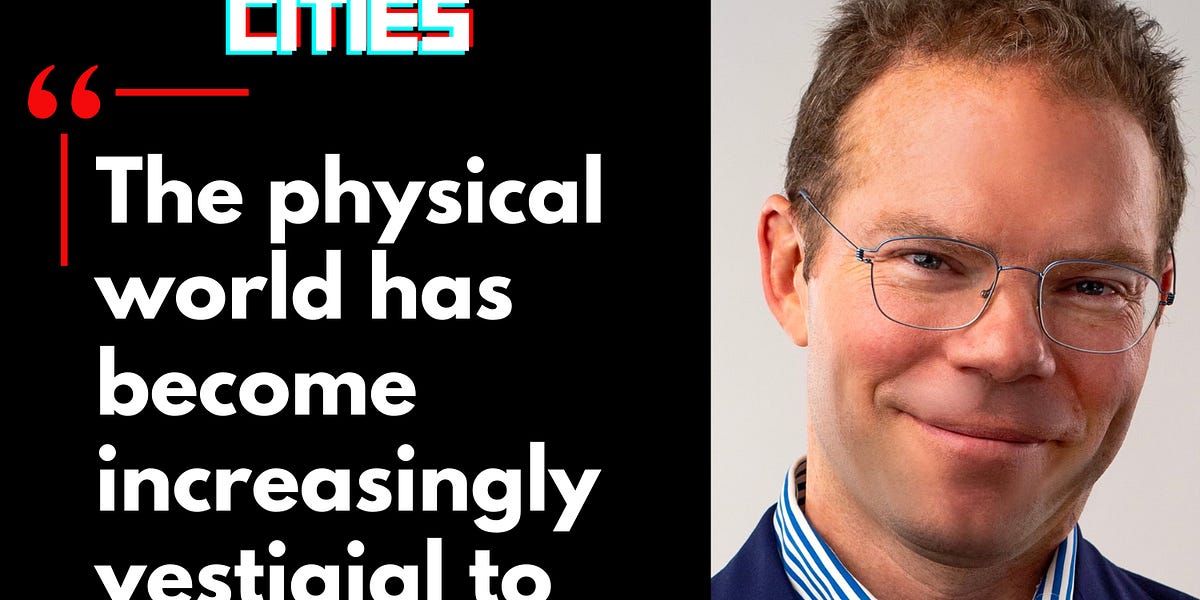
Liberating Structures - pathfinder
Liberating Structures can be really useful ways to reset or reframe conversations with colleagues, they've built a new little 'pathfinder' tool on their site that helps you get to the right structure for your context.
The 49MB Web Page
Spotted via Adam Koszary's newsletter, this (quite technical) audit of the New York Times' incredibly bloated homepage (I've seen cultural organisation websites with similarly sized pages).
"If hardware has improved so much over the last 20 years, has the modern framework/ad-tech stack completely negated that progress with abstraction and poorly architected bloat?"
Also gives me a legitimate chance to share https://motherfuckingwebsite.com/
 thatshubham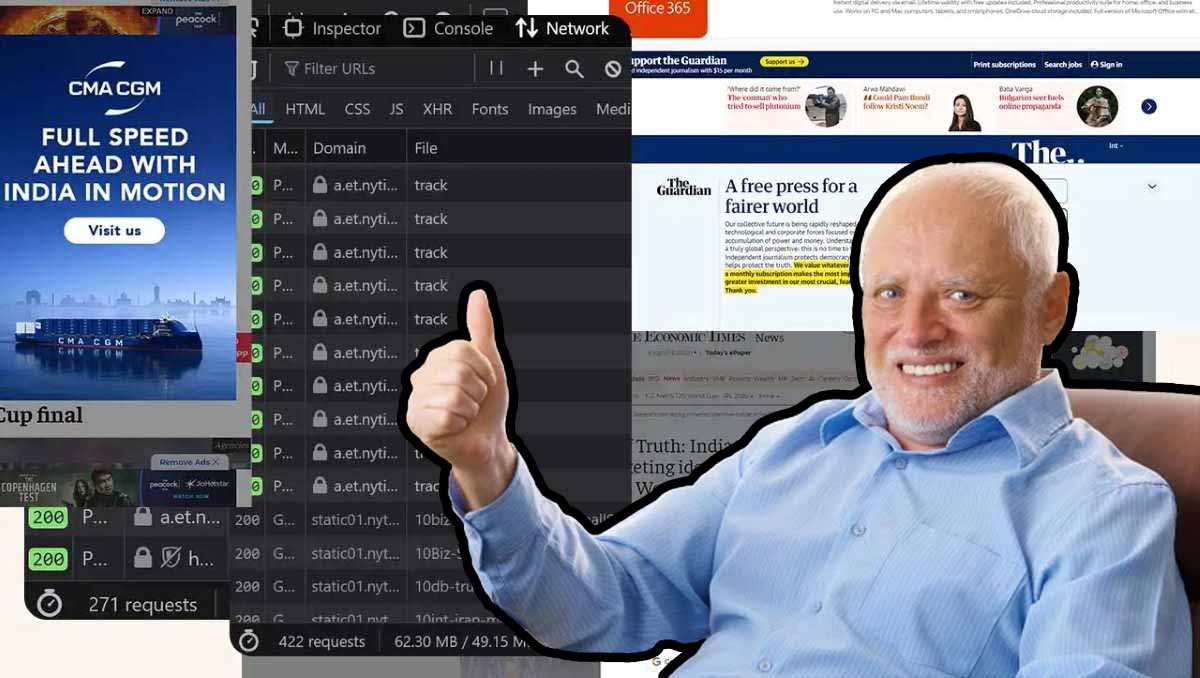
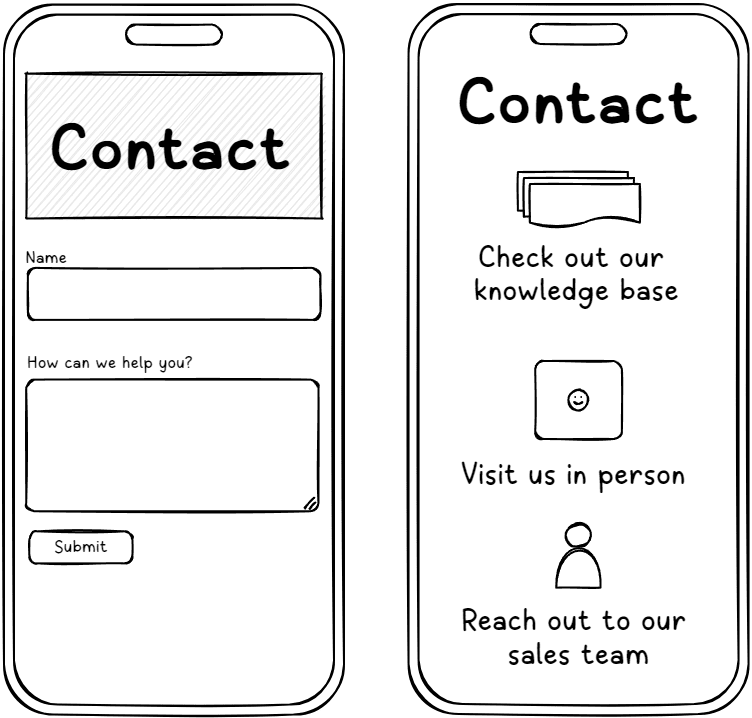
The f*** off contact page
"A “fck off contact page” is what a company throws together when they actually don’t want anyone to contact them at all. They are usually found on the websites of million or billion dollar companies, likely Software-as-a-service (SaaS) companies that are trying to reduce the amount of money they spend on support by carefully hiding the real support channels behind login walls. These companies tend to offer multiple tiers of support, with enterprise customers having a customer success manager who they can call on this ancient device we call phones, whereas the lower-paying customers may have to wrangle various in-app ticket mechanisms. If you solve your own problem by reading the knowledge base, then this is a win for the company. They don’t want to hear from you, they want you to f*ck off."

Spotify prompted playlists
I noticed a new feature in Spotify recently, a whole bunch of pre-packaged prompts that you can (apparently - see below) use to get the app to serve you AI-generated playlists of one kind or another.
Here's an example
"Choose one song in my Library on Spotify that falls outside of my usual taste and recent listening. Create a playlist that starts with that song, followed by other songs like it that I haven't heard before. The goal is to help me expand my taste by discovering new music in a genre I haven't really explored, but I'm showing some interest in. Explain what the genre is and how it's different from my usual listening, and introduce me to this genre song by song. Don't explain the musical qualities of the song, just focus on why the song was chosen and how it relates to the original "source song.""
The very short amount of time I spent looking at this indicated the way it's currently implemented is weird, terrible and difficult to use (there is no obvious way to actually use the suggested prompts they serve up to you so prominently on the home screen), but this focus on different ways into curation and discovery is an interesting idea.
 Lauren.Petersongroupsjr.com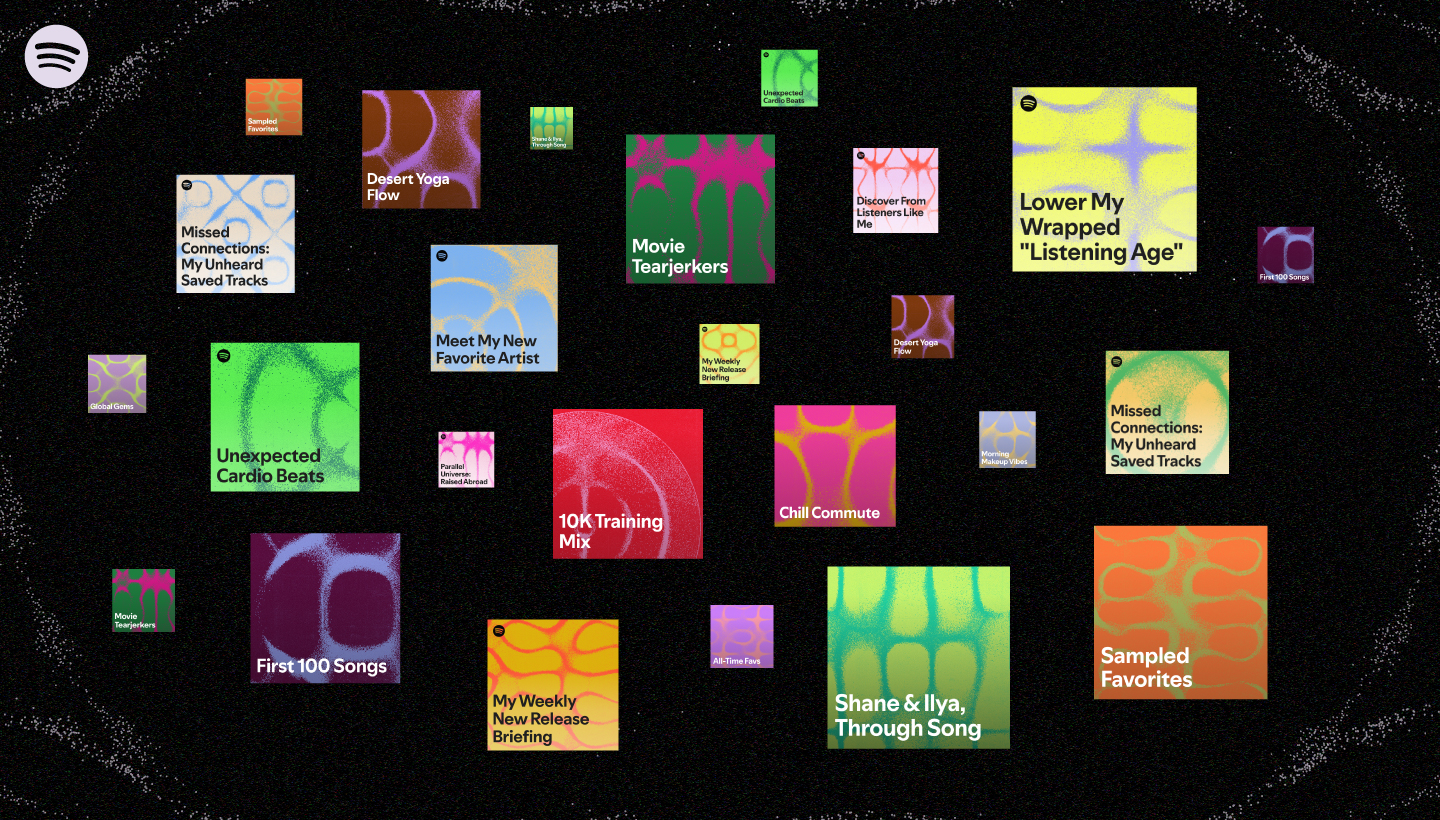
Jury finds Meta and YouTube built ‘addiction machines’ that harmed a child, awards $3 million in landmark trial
Not surprising, but good to see it finally being recognised by the courts.
"The plaintiff, identified as Kaley, is now 20 years old. She testified that she began using YouTube at age six and Instagram at age nine, encountering no age verification barriers on either platform. She described spending entire days on social media as a child, withdrawing from her family, and developing anxiety, depression, and body dysmorphia, a condition in which a person becomes obsessively preoccupied with perceived flaws in their appearance. She said she began using Instagram filters that altered her facial features almost as soon as she started using the platform."
 Alina Maria Stan
Melania Trump wants a robot to homeschool your child
In this week's 'no that was actually a thing, no I'm not joking' news.
 Lucas Ropek
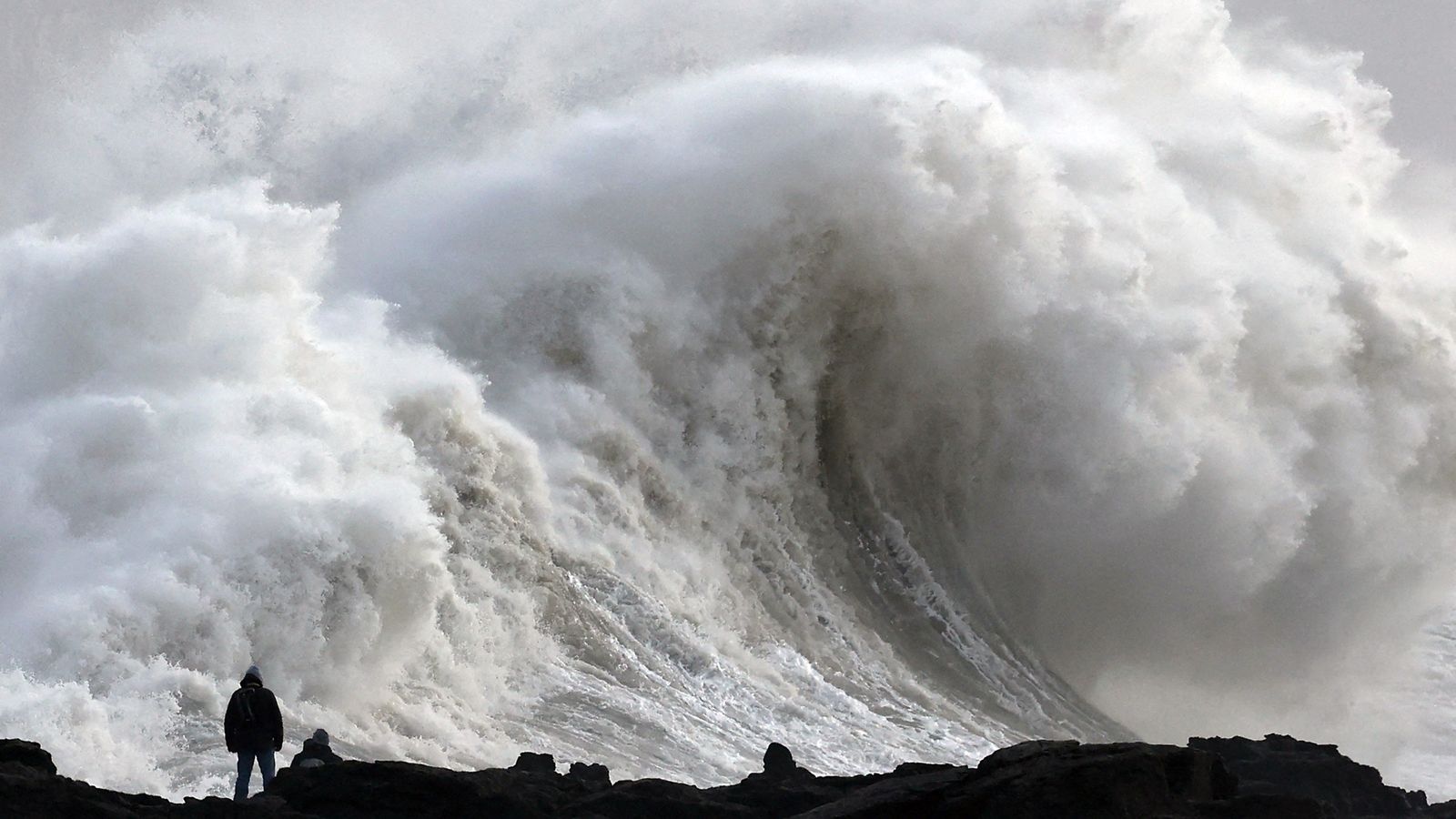
Elon Gust and Dame Judi Drench among storm names sent to Met Office
Despite Boaty McBoatface, British institutions still regularly invite the British public to name things. In this case the Met Office shares some of the suggestions for what people think storms should be named.

Week micronote
Made a lot of good progress on the AI position paper I'm working on, and it seems like it's proving to be a helpful piece of work which is gratifying.
The question of 'what do we actually mean by digital' is coming up in lots of the organisations I'm working with, and forcing some necessary conversations as a result.
I've had over 110 responses to the Hidden Labour survey which is brilliant, some really clear patterns are emerging, and the 1:1 interviews I'm carrying out are adding a vital layer of detail and personal experience to the numbers.
Also I did some initial supplier outreach to assess appetite and capacity for an RFP I'm helping a client with. It's great to be able to contact some really exciting agencies, although I'm always surprised how difficult some businesses make it for you to get in touch with them...
This week's consumption
I went to see Project Hail Mary last weekend which I LOVED, it was so great.
I've ordered more books but now my pile of 'books to read' is becoming farcically tall and I'm not actually getting any reading done at the moment because baby/ill/work/etc. But I am going to cling to this Umberto Eco quote ""if, for example, we consider books as medicine, we understand that it is good to have many at home rather than a few: when you want to feel better, then you go to the 'medicine closet' and choose a book. Not a random one, but the right book for that moment. That's why you should always have a nutrition choice!"
I enjoyed the Stewart Lee interview on Louis Theroux's podcast.